

While orbital conditions helped create a wetter Australian climate, one result stood out. The bright white ice helped cool the climate by reflecting sunlight back into space.
But it was the height of the North American ice sheets that produced the biggest changes in atmospheric circulation.
Their towering walls of ice redirected winds across the globe. Those changes rippled through the atmosphere into the tropics, shifting the tropical rainfall belt southward and strengthening the circulation that drives Australia’s summer monsoon.
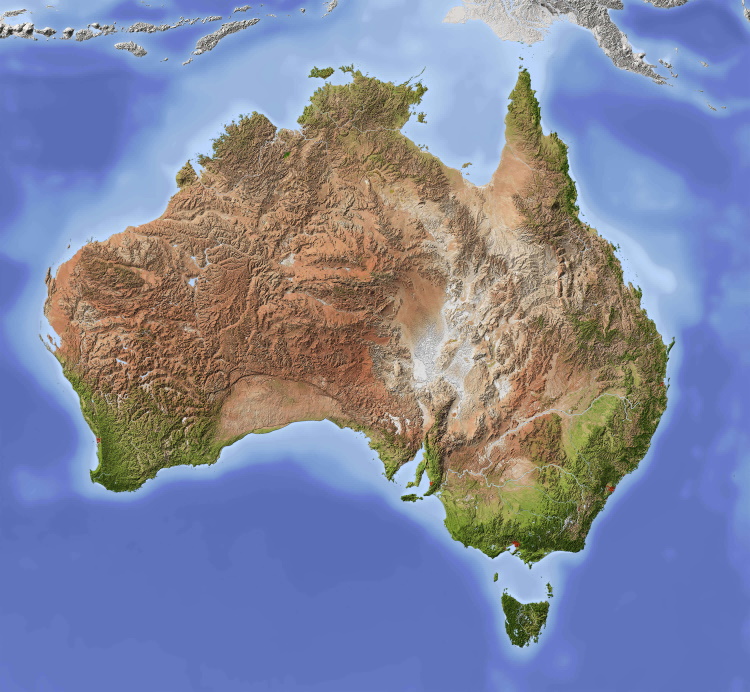
This southward shift also reduced rainfall in parts of Indonesia and Papua New Guinea, while increasing summer rainfall across much of Australia.
link to open access paper https://cp.copernicus.org/articles/22/1457/2026/