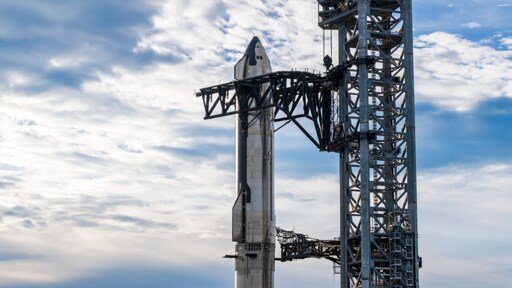
Google and SpaceX are in talks to build data centers in orbit, pitching space as the future home for AI compute, even as costs today remain far higher than on the ground.
Isn’t one of the big complaints against data centers is the massive demand on water used for cooling? How are they going to cool these in space which is notoriously hard to cool things down in?
They would use radiator panels which automatically swivel so they’re edge-on to the sun.
I think the bigger problems are;
The costs (monetary and environmental) of launching so many new satellites,
Large-scale computing technology is untested in that kind of environment and will likely encounter a number of issues and unforeseen problems (so more launches until they get it right),
Additional radiation will increase errors, so they will require a more robust design with more redundancy than Earth-based systems,
If they’re in a low orbit similar to Starlink satellites (which have an expected lifetime of 5 to 7 years) they will need to be constantly replaced.
If someone knows the specifics on them I would be happy to know, but I feel like there is a lot more heat generated in a data center, of any useable size, than could feasibly be cooled using radiators.
I would like to add a bullet point to your issues since I’m not sure solar would be good enough to sustain such an orbital. Once again I am only surmising and would like to hear if I am way off base.
The costs (monetary and environmental) of launching so many new satellites,
Fraction of damage and cost of earth based datacentres.
Large-scale computing technology is untested in that kind of environment and will likely encounter a number of issues and unforeseen problems (so more launches until they get it right),
We’ve been putting computers and satellites in space for decades.
Additional radiation will increase errors, so they will require a more robust design with more redundancy than Earth-based systems,
That’s what shielding is for. We have probes still working after 48 years in space.
If they’re in a low orbit similar to Starlink satellites (which have an expected lifetime of 5 to 7 years) they will need to be constantly replaced.
Well using water for cooling is a way to save money in some regions, but it doesn’t even work everywhere, most data centers don’t use a lot of water.
When it comes down to it, you can have a datacenter anywhere, including in space, but you do need to keep it cool. Cooling can be harder or easier in different environments, space is probably one of the hardest environments to keep electronics cool in.
I but I guess the most direct answer to your question:
How are they going to cool these in space
They’ll do it with radiators, lots of radiators. And they’ll do it at 50x the price it would cost on earth. With that in mind, I welcome the space datacenters, build as many as you want. I can’t think of any better way for an AI company to drive itself to bankruptcy.
The problems with datacenters are power consumption and water use. This addresses both problems. Sunny side picks up tons of solar generated electricity, dark side radiates heat.
Radiative IR cooling is still orders of magnitude less efficient than convective cooling. There is precisely zero percent chance that orbital data centers will be less expensive than terrestrial ones.
Does it address water use? I’m aware spacecraft have thermal management systems. But also with the chief complaint of data centers being water use, are these thermal management systems able to dissipate the same energy? You don’t need that much water for earth based data centers without an underlying massive amount of heat to get rid of. I’d wager that heat is much higher than what spacecraft typically have to get rid of. It’s the actual quantity that I’m questioning.
Don’t they put plutonium reactors in space? Have to be able to cool those somehow? Or maybe they are not difficult to cool… I know I have seen pretty massive heat fin stacks on satellites.
Honestly if they are hyper focused on putting data centers SOMEWHERE this seems like a less bad option… Maybe I’m missing the bigger picture somehow.
Don’t they put plutonium reactors in space? Have to be able to cool those somehow?
The entire point of those is to produce heat to power a thermoelectric generator. And while most of the heat will be wasted, it is a rather small amount overall.
A data centre would require massive amounts of energy, most likely provided by solar panel arrays. Then the processors will convert all the energy to heat that has to go somewhere.
I don’t know the math or the physics, purely speculation and good faith discussion (sorry if I offended anyone by being tepidly in favor of this option lol).
I don’t disagree with your premise that it will be quite the feat, but I doubt they would be broadcasting the headline unless they thought they had a way to make the math, math.
Like others are saying, they’ll have done just enough math to make a convincing presentation. For them, it’s about the performance to create a perception of potential success, not about actual success.
but I doubt they would be broadcasting the headline unless they thought they had a way to make the math, math.
Bro, Elmo runs SpaceX and Tesla has been talking for over a decade about how FSD is right around the corner, and it’s still pretty much trash.
Don’t assume these chuds have actually thought shit through just because they are making publicity around it. Silicon Valley is notorious for lying about capabilities to get investor money, and has been for as long as I can remember. If I had a dollar for every full of shit promise I’ve heard out of these dipshits I could pay for healthcare…
The ones that power spacecraft generate less than 5000W of heat at max power (while producing 300W of usable electricity).
In order to power a single server rack of 72 Blackwell GPUs, which takes about 130,000 watts, you’d need about 430 of those RTGs, and need to manage cooling requirements of 430 times as much (plus however much additional power will be required by the cooling system itself, too).
Honestly not sure about the math, I was just speculating for the sake of discussion, and a belief that this is slightly less harmful to human life than terrestrial solutions.
RTGs do get put out in space, however they aren’t used for everything. If a single rocket experiences Spontaneous Unplanned Disassembly while carrying an RTG, it’s a disaster that spreads radioactive materials.
The entire point of an RTG is to use the waste heat as power, and if I understand RTG design, the cooling fins are to provide the difference in temperature that thermoelectric modules need to produce power. So there isn’t a ton of heat that it gives off in general.
Look at the international space station. It has massive radiator panels, and all it needs to do is house humans and the equipment to keep them alive. A lot of bulkiness of space suits is dedicated to heat management.
The #1 product of data centers is massive amounts of equipment-killing heat. That heat either gets radiated via massive radiator panels, or the space data center cooks it’s own equipment.


Isn’t one of the big complaints against data centers is the massive demand on water used for cooling? How are they going to cool these in space which is notoriously hard to cool things down in?
Tech bros aren’t actually smart people, they’re sociopaths who know how to manipulate people. They have no actual value.
This is also 100% true for MBA’s
They would use radiator panels which automatically swivel so they’re edge-on to the sun.
I think the bigger problems are;
If someone knows the specifics on them I would be happy to know, but I feel like there is a lot more heat generated in a data center, of any useable size, than could feasibly be cooled using radiators.
I would like to add a bullet point to your issues since I’m not sure solar would be good enough to sustain such an orbital. Once again I am only surmising and would like to hear if I am way off base.
This is the funniest part. Can you imagine completely rebuilding the average datacenter every half-decade?
Fraction of damage and cost of earth based datacentres.
We’ve been putting computers and satellites in space for decades.
That’s what shielding is for. We have probes still working after 48 years in space.
so place them in higher orbit.
Well using water for cooling is a way to save money in some regions, but it doesn’t even work everywhere, most data centers don’t use a lot of water.
When it comes down to it, you can have a datacenter anywhere, including in space, but you do need to keep it cool. Cooling can be harder or easier in different environments, space is probably one of the hardest environments to keep electronics cool in.
I but I guess the most direct answer to your question:
They’ll do it with radiators, lots of radiators. And they’ll do it at 50x the price it would cost on earth. With that in mind, I welcome the space datacenters, build as many as you want. I can’t think of any better way for an AI company to drive itself to bankruptcy.
https://en.wikipedia.org/wiki/Spacecraft_thermal_control
The problems with datacenters are power consumption and water use. This addresses both problems. Sunny side picks up tons of solar generated electricity, dark side radiates heat.
Radiative IR cooling is still orders of magnitude less efficient than convective cooling. There is precisely zero percent chance that orbital data centers will be less expensive than terrestrial ones.
Does it address water use? I’m aware spacecraft have thermal management systems. But also with the chief complaint of data centers being water use, are these thermal management systems able to dissipate the same energy? You don’t need that much water for earth based data centers without an underlying massive amount of heat to get rid of. I’d wager that heat is much higher than what spacecraft typically have to get rid of. It’s the actual quantity that I’m questioning.
Death ray from space?
Don’t they put plutonium reactors in space? Have to be able to cool those somehow? Or maybe they are not difficult to cool… I know I have seen pretty massive heat fin stacks on satellites.
Honestly if they are hyper focused on putting data centers SOMEWHERE this seems like a less bad option… Maybe I’m missing the bigger picture somehow.
The entire point of those is to produce heat to power a thermoelectric generator. And while most of the heat will be wasted, it is a rather small amount overall.
A data centre would require massive amounts of energy, most likely provided by solar panel arrays. Then the processors will convert all the energy to heat that has to go somewhere.
I don’t know the math or the physics, purely speculation and good faith discussion (sorry if I offended anyone by being tepidly in favor of this option lol).
I don’t disagree with your premise that it will be quite the feat, but I doubt they would be broadcasting the headline unless they thought they had a way to make the math, math.
Like others are saying, they’ll have done just enough math to make a convincing presentation. For them, it’s about the performance to create a perception of potential success, not about actual success.
Bro, Elmo runs SpaceX and Tesla has been talking for over a decade about how FSD is right around the corner, and it’s still pretty much trash.
Don’t assume these chuds have actually thought shit through just because they are making publicity around it. Silicon Valley is notorious for lying about capabilities to get investor money, and has been for as long as I can remember. If I had a dollar for every full of shit promise I’ve heard out of these dipshits I could pay for healthcare…
Have you never heard of Elon before?
The ones that power spacecraft generate less than 5000W of heat at max power (while producing 300W of usable electricity).
In order to power a single server rack of 72 Blackwell GPUs, which takes about 130,000 watts, you’d need about 430 of those RTGs, and need to manage cooling requirements of 430 times as much (plus however much additional power will be required by the cooling system itself, too).
Think about that, though. How much heat does a satellite produce to necessitate large fin stacks? And how much heat does a data center produce?
Honestly not sure about the math, I was just speculating for the sake of discussion, and a belief that this is slightly less harmful to human life than terrestrial solutions.
RTGs do get put out in space, however they aren’t used for everything. If a single rocket experiences Spontaneous Unplanned Disassembly while carrying an RTG, it’s a disaster that spreads radioactive materials.
The entire point of an RTG is to use the waste heat as power, and if I understand RTG design, the cooling fins are to provide the difference in temperature that thermoelectric modules need to produce power. So there isn’t a ton of heat that it gives off in general.
Look at the international space station. It has massive radiator panels, and all it needs to do is house humans and the equipment to keep them alive. A lot of bulkiness of space suits is dedicated to heat management.
The #1 product of data centers is massive amounts of equipment-killing heat. That heat either gets radiated via massive radiator panels, or the space data center cooks it’s own equipment.